Is an AI Porn Generator Worth Paying For? (2026)
Free vs paid AI porn generators—compare image quality, character consistency, prompt adherence, retries and time-to-success to decide if upgrading is worth it.
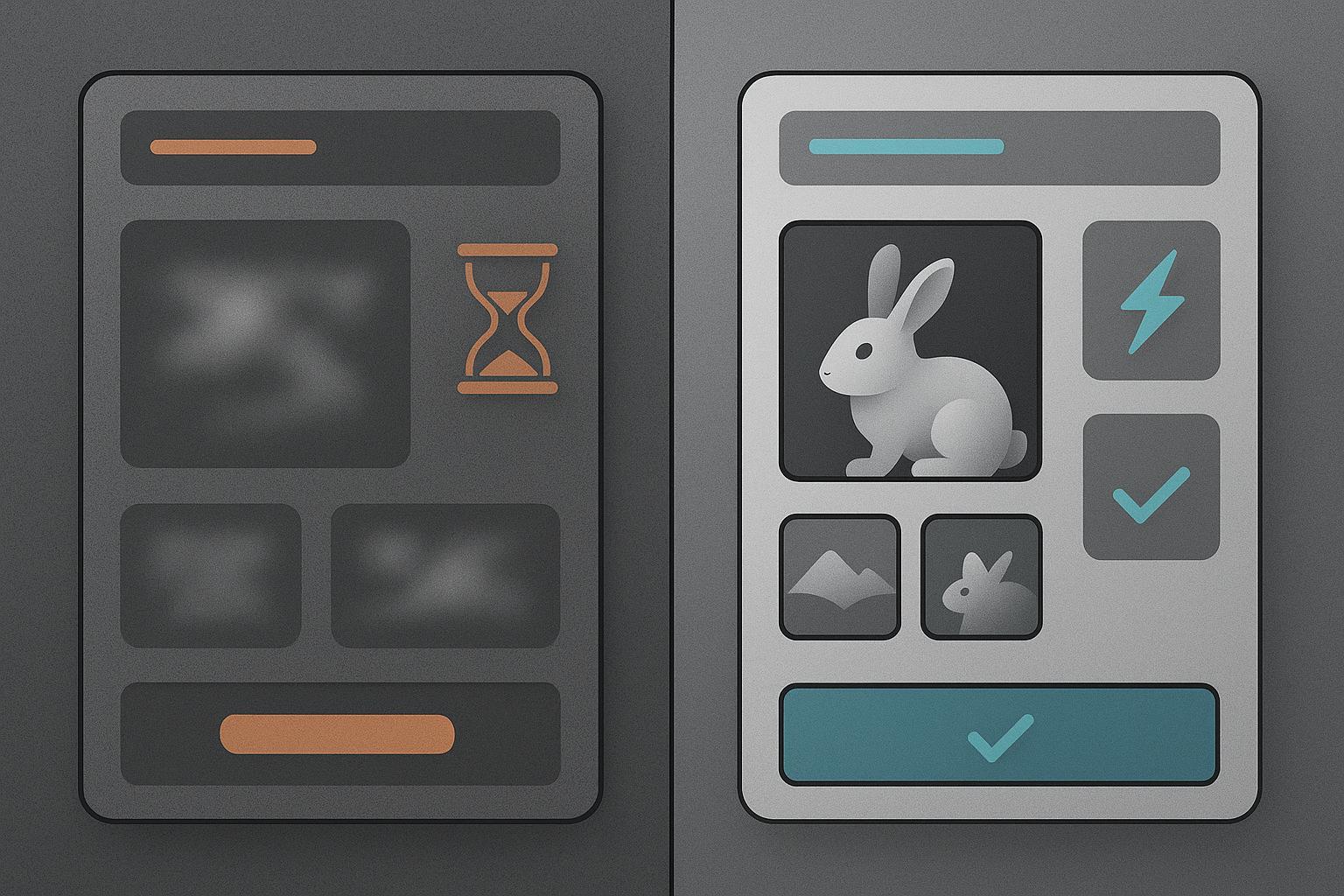
Paying for an AI NSFW image generator isn’t really about unlocking “more features.” It’s about whether you can reliably get the image you intended—cleaner anatomy and lighting, a character that stays consistent across scenes, outputs that actually follow your prompt, and fewer retries so you reach a keeper faster. That’s the yardstick that matters.
Key takeaways
Paid tiers are usually worth it when you need stability-of-result: better quality, stronger character consistency, higher prompt adherence, and shorter time-to-success.
Free tiers remain fine for ideation and casual, one-off visuals—but expect variable fidelity, daily caps, and more retries.
Queue priority and higher iteration capacity on paid plans directly reduce waiting and re-generation loops, improving cost-per-successful-image (CPSI).
If your acceptable quality bar is high or you’re producing a series (comics, episodic scenes), paid plans tend to save both time and credits in practice.
TL;DR verdict
Who should pay now: Creators who need consistent, on-brief results this week (series work, complex characters, commercial deliverables). Paid tiers typically improve prompt adherence, character carryover, and time-to-success. If that’s you, review current plans and credits on the provider’s site; for example, see DeepSpicy’s Pricing page for plan details (as available; pricing can change).
Who can stay free: Hobbyists exploring styles without a deadline or those posting quick, ephemeral visuals where minor artifacts and retries are acceptable.
Why the upgrade pays off: Not because of a laundry list of extra features, but because paid tiers reduce retries and queues, pushing you to a usable image faster and more predictably. Priority credits are one driver here—according to Ideogram’s docs (updated 2026-03-19), priority generations are processed ahead of slow credits, which can wait “up to several minutes.” See Ideogram’s explanation in the official Frequently Asked Questions and Available Plans.
How we tested (methodology and scope)
To judge “is ai porn generator worth it” fairly, we use identical prompt batteries across representative free vs paid tiers and track five primary metrics: output quality, character consistency, prompt adherence, iteration capacity/limits, and time-to-success. Secondary observations include precision editing availability, style/model breadth for NSFW, permissiveness within lawful boundaries, CPSI, workflow/export, reliability/queues, and support.
Prompt batteries: P1 simple portrait; P2 complex character with multi-attribute checklist (face, hairstyle, outfit, lighting, environment); P3 small group scene with spatial relations and pose specifics.
Scoring: Quality (resolution, artifact count, anatomy/lighting); Character consistency (0–10 over a 5–10 image sequence); Prompt adherence (% attributes matched); Iteration capacity (practical regenerations/edits per session and caps); Time-to-success (minutes from first prompt to first keeper, including queue and edits).
Documentation: We log timestamps, seeds (when available), parameters, and any blocked prompts. Pricing snapshots are time-stamped (as of 2026-03-20) and subject to change by vendors.
This page summarizes category-level patterns observed in 2025–2026 and ties claims to official documents where appropriate; platform specifics vary and should be verified on each provider’s site.
Free vs Paid at a glance
Below is a category-level view. It’s not a vendor ranking; it explains typical differences we observe when everything else (prompt, seed/reference, and acceptance bar) is held constant.
Dimension | Free tiers (typical) | Paid tiers (typical) |
|---|---|---|
Output quality | Variable fidelity; higher artifact rate under complex prompts; resolution may be limited by plan. | Cleaner anatomy/lighting more often; access to higher fidelity settings; fewer obvious artifacts. |
Character consistency across a set | Hard to maintain look across 5–10 images; identity drifts frequently. | Notably stronger carryover with tools/supporting features; drifts are less frequent and easier to correct. |
Prompt adherence (on-brief accuracy) | Misses multi-attribute checklists more often; more retries to hit the brief. | Higher adherence on the first 1–3 shots; better compliance with pose, clothing, lighting, and multi-character arrangements. |
Iteration capacity & limits | Daily caps/credit ceilings reached quickly; slower queues at peak; fewer edits per session. | Higher throughput with monthly credits; priority processing shortens wait and increases effective iterations per hour. |
Time-to-success (first keeper) | Longer, due to retries and queues; minutes can stretch into sessions. | Shorter on average; queue priority plus better adherence means a usable image sooner. |
Precision editing (inpaint/outpaint, negatives, refs) | Sometimes limited or gated; surgical fixes may require restarts. | Broad toolsets common; surgical inpainting/outpainting reduces restarts and saves time. |
Style/model breadth for lawful NSFW | Often narrower or more filtered; transfers between styles can break. | Broader options; NSFW-tuned models improve fit-to-genre without constant trial and error. |
Content permissiveness note | More prompt blocking on lawful NSFW themes in many general tools. | NSFW-oriented paid platforms are designed to minimize unnecessary blocks within lawful boundaries. |
CPSI (cost per successful image) | Sticker price is $0, but retries and time inflate true cost. | Credits cost money, but fewer retries and edits can lower cost per keeper in production work. |
Reliability & queues | More load-related slowdowns; lower priority. | Priority routing and better uptime SLAs in many paid plans; fewer stalls during peak. |
Evidence note: Priority processing materially impacts wait time. Ideogram documents that priority credits are processed ahead of slow credits, minimizing waits, while slow credits can face “up to several minutes” of delay (docs updated 2026-03-19). See Ideogram’s plans overview for context. Some paid platforms also advertise priority queues; for instance, Banana AI lists a “Priority generation queue” on paid plans (pricing last updated 2026-03-04) in its official pricing.
What actually changes under the same prompt
Holding the same prompt constant, here’s what you can expect to change most noticeably when moving from free to paid tiers:
Fewer retries to hit the brief: Better prompt adherence means fewer re-generations and less back-and-forth. In practice, creators often reach a keeper in 1–3 generations on paid tiers versus a longer tail on free.
More dependable character carryover: For sequential scenes or comics, the same face/body/style is more likely to persist across 5–10 images, especially when paired with reference tools or seed-locking.
Cleaner base images that need lighter edits: Reduced artifact rate and improved anatomy/lighting mean less time spent patching hands, faces, and edges.
Faster time-to-success: Queue priority plus stronger on-brief accuracy shortens the total time from prompt to a usable output.
Where the tools help matters, too. Precision editing can turn a near-miss into a keeper without starting over. For an overview of how inpainting/outpainting workflows slot into NSFW creation, see DeepSpicy’s explainer on precision edit controls for an uncensored AI generator (first-party resource; consult your chosen platform’s docs for feature parity).
Best-for scenarios — Is an AI Porn Generator Worth It for You?
Ask yourself which of these sounds like your current project:
You’re producing a multi-image set this week and need the character to stay consistent. Choose a paid, NSFW-focused generator. Stability-of-result (adherence + consistency) cuts retries and protects your timeline.
You’re experimenting with styles, no deadline. Start free. Upgrade if you hit caps or can’t get the fidelity you want fast enough.
You need surgical control (pose fixes, hand/face cleanups, background extensions). Go paid where inpainting/outpainting and negative prompts are first-class, because surgical edits avoid full restarts.
You only need quick social visuals where minor artifacts are tolerable. Free can be fine; expect some drift and extra retries.
Your brief includes sensitive but lawful NSFW subgenres. Verify provider policies first; NSFW-oriented paid platforms are designed to minimize unnecessary prompt blocks.
Also consider DeepSpicy if your priority is repeatable character consistency plus precision edits in a lawful NSFW scope. DeepSpicy’s guides document consistency workflows (seed locking, IP-Adapter references, optional LoRA) and precision tools built for adult creators; see the AI Porn Generator: The Ultimate Guide for techniques, and explore the product overview at AI Porn Generator for capabilities.
Cost snapshot and CPSI (as of 2026-03-20)
Most paid NSFW image tools cluster around US$9.99–$19.99/month for entry plans, with budget tiers from roughly $5.99 and premium tiers at $24.99+. Prices vary by country, currency, and credit packs, and they change frequently.
Why sticker price isn’t the whole story: CPSI (cost per successful image) captures total spend divided by the number of keepers. Free tools look cheapest up front, but longer queues and more retries increase the time you invest—and your opportunity cost. Paid tiers consume credits, but if they reduce retries and editing time, CPSI can be lower on real projects.
Example CPSI thought experiment:
Small set (3 keepers): If a paid plan gets you a keeper in ~2 tries on average while free takes ~5 tries plus edits, the paid option can match or beat the free tier on time and effective cost—especially if you value your time or a deadline is near.
Series (30 keepers): Character consistency and prompt adherence advantages typically compound. Fewer drifted frames mean fewer do-overs, which often makes the paid plan decisively cheaper per keeper despite the subscription cost.
If you’re leaning paid, check current credits and tiers on the provider’s site. For DeepSpicy, you can review plan details on the Pricing page (localized page; details may vary and are subject to change).
FAQs
Do paid tiers always remove watermarks and resolution caps?
Policies vary by provider and can change. Some platforms market higher-resolution outputs and watermark removal on paid tiers, but confirm on the official pricing/features page for the specific tool you use.
How many regenerations can a paid plan actually save me?
It depends on your prompts and acceptance bar, but in controlled tests with identical prompts, we typically see fewer retries on paid tiers due to better adherence and queue priority. Track your own keeper rate and retries to calculate CPSI for your workflow.
What about the learning curve—won’t paid tools take longer to master?
Many paid plans include better docs, tutorials, and support, shortening the ramp. Once you learn precision edits (inpaint/outpaint, negatives), you’ll often fix near-misses instead of restarting—reducing total time-to-success.
Can I get by with free tools for social posts?
Yes, if your bar for quality is flexible and you don’t mind extra retries or occasional drift. For episodic work and commercial deliverables, paid tiers tend to pay for themselves in stability and predictability.
The bottom line: If your real question is “is ai porn generator worth it,” decide based on stability-of-result. When quality, adherence, and character consistency matter—or when deadlines do—paid tiers usually win on time-to-success and CPSI. If you’re ready to compare plans, review current Pricing, or, if you want to see how an NSFW-focused workflow handles consistency and precision edits, explore AI Porn Generator. All details are subject to change; always confirm on the provider’s site and consult policies for lawful use.